

11 BEST PILGRIMAGE ROUTES IN EUROPE TO WALK RIGHT NOW.
Are you looking for a life changing experience? Many people choose to walk a pilgrimage at some point in their lives. Whether this is for religious or spiritual reasons, to meet people, as a personal challenge or just for fun. But not all pilgrimage routes in Europe are created equally.
Here’s our guide to the 11 best pilgrimage routes in Europe to walk right now.
What is a pilgrimage?
A pilgrimage is a long distance journey, which is made for a spiritual reason. For the purpose of this post, we are talking about pilgrimages undertaken on foot.
The routes featured here are all historic pilgrimage routes, often walked in the past for religious reasons. Today, many people walk these pilgrimages for a number of reasons, which may not be spiritual.
Is a pilgrimage different to a long-distance hike?
A long-distance hike could also be a pilgrimage, and a pilgrimage could be a long distance hike, but not all long-distance hikes are pilgrimages!
If you want to know more about some of the best long-distance hiking paths in Europe, check out our article here.
11 best pilgrimage routes in Europe
Here are our top 11 best pilgrimage routes in Europe right now.
1/ Camino de Santiago Portuguese Route, Spain


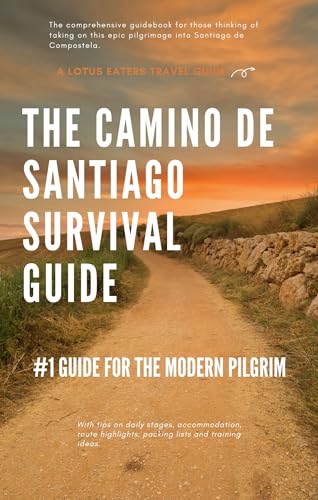
The Camino Santiago is probably the most famous pilgrimage route in Europe. But many people walk the French route, instead, why not try the Portuguese route? For delicious food, wine and wonderful scenery.
What makes this one of the best pilgrimage routes in Europe: Walking through two countries and experiencing Portuguese and Spanish culture. Excellent food and wine.
Start and End Point: The Camino Portuguese starts in either Lisbon or Porto in Portugal. It ends in Santiago de Compostela in Spain.
Distance: There are a few options for start points and different routes, either along the coast or inland.
- Lisbon – Coastal Route 630km
- Lisbon – Central Route 650km
- Porto – Costal Route 280km
- Porto – Central Route 260km
You can find our daily stages guide for walking from Porto to Santiago here.
Where to stay: Along the Camino de Santiago Portuguese route, you can stay in either albergues, private pensions or hotels. You can find our guide to the best albergues on the Camino Portuguese here.
💡Albergues are hostels specifically for pilgrims on the Camino. You can find out more about albergues on the Camino, how to book and how to check in, here in our guide.
What to pack: You will want to pack as lightly as possible to walk the Camino Portuguese – you can find our packing list here.
When to walk: The best time to walk this route is April to June or September to October. Where possible, avoid July and August when the high temperatures make walking difficult.
Find all of our Camino resources and guides here.
2/ Camino de Santiago North Route, Spain


The Camino Norte route (Camino del Norte) is a pilgrimage route which winds along the rugged coast of Norther Spain, from the Basque Country, through Cantabria, Asturias and Galicia.
What makes this one of the best pilgrimage routes in Europe: Coastal walking. Visiting the wonderful cities of San Sebastian, Bilbao and Santander.
Start and End Point: The Camino North route starts in Irun, in Norther Spain and ends in Santiago de Compostela. Many people choose to walk just a section, for example the last 100km into Santiago, or from San Sebastian to Bilbao.
Distance: The Camino del Norte (the Camino North Route) is 835km. Find our guide to the daily stages for the Camino North route here.
Where to stay: Along the Camino de Santiago North route, you can stay in either albergues, private pensions or hotels. You can find our guide to the best albergues on the Camino del Norte.
What to pack: You will want to pack as lightly as possible to walk the Camino North route, don’t forget your swimsuit – you can find our packing list here.
When to walk: The best time to walk this route is June or September. Where possible, avoid July and August when the high temperatures make walking difficult. That said, the temperatures in the North of Spain can be cooler than elsewhere in Spain. We walked this route in July and it was very manageable.
Find all of our Camino resources and guides here.
3/ Camino de Santiago Primitivo, Spain


The Primitivo is thought to be the oldest of the Camino routes ending in Santiago de Compostela. It is also the most challenging, as it weaves through the dizzy heights of the Picos de Europa.
What makes this one of the best pilgrimage routes in Europe: A challenging hike and the original Camino route. Perhaps a quieter and more authentic experience than the other Camino routes.
Start and End Point: The Camino Primitivo starts in Oviedo and ends in Santiago de Compostela.
Distance: The Camino Primitivo is 321km long.
Where to stay: Along the Camino de Santiago Primitivo route, you can stay in either albergues, private pensions or hotels.
What to pack: You will want to pack as lightly as possible to walk the Camino Primitivo – you can find our packing list here.
When to walk: In theory, you could walk any time from April to October. However, you may want to avoid peak summer, when the temperatures are higher. April and October may see some cooler and wet weather too.
Find all of our Camino resources and guides here.
4/ Camino Frances, Spain

Starting in France in Saint Jean Pied de Port, this route travels 780km west across Spain to reach Santiago de Compostela.
What makes this one of the best pilgrimage routes in Europe: It is the most popular Camino route, for good reason. The infrastructure is excellent and it’s a super pilgrimage for a first timer.
Start and End Point: Saint Jean Pied de Port and Santiago de Compostela.
Distance: This route is 780kms.
Where to stay: Along the Camino Frances there are loads of amazing albergues for shared accommodation, as well as B&Bs and even luxurious hotels if you fancy it.
What to pack: You will want to pack as lightly as possible to walk the Camino Frances. But keep in mind that you can use luggage service if required for you.
We’ve got a detailed Camino packing list here.
When to walk: You can walk as early as April and as late as October. The peak months on this route are May and September. You can find more details here.
Find our daily stages guide for the Camino Frances here.
5/ Via Francigena Toscana, Italy


The Via Francigena is a pilgrimage route in Europe that stats in the UK, goes through France, Switzerland and Italy. We recommend the section from Lucca to Rome, which is the most beautiful and takes you into Rome.
What makes this one of the best pilgrimage routes in Europe: It ends in Rome and takes in beautiful countryside along the route. And of course, don’t forget the Italian food!
Start and End Point: We recommend starting this route in Lucca and walking to Vatican City, in Rome.
Distance: The section from Lucca to Rome is 419 km. You can find our guide to the daily walking stages here.
Where to stay: Along the Via Francigena, there are hotels, B&Bs and hostels for walkers. It is also possible to camp along the way too. You can find our guide to accommodation on the Via Francigena here.
What to pack: You will want to pack as lightly as possible to walk the Via Francigena – but don’t forget your sleeping bag. Find our packing list fo the Via Francigena Toscana here.
When to walk: You can walk as early as March and as late as October, but it’s best to avoid the peak summer months of July and August. Aside from he heat, accommodation is also difficult co come by in Tuscany during this time.
Find all of our Via Francigena resources and guides here.
6/ St Olavs Way (Gudbrandsdalsleden), Norway


There are a number of St Olav’s routes in Norway, we recommend the route from Oslo to Trondheim which is called Gudbrandsdalsleden. Imagine fjords, lush forests and oodles of peaceful countryside.
What makes this one of the best pilgrimage routes in Europe: Norwegian countryside and hospitality. Being able to wild camp, which gives a total sense of freedom.
Start and End Point: The route stats in Oslo and ends in Trondheim.
Distance: The walk is a 643km from Oslo to Trondheim.
Where to stay: Along this route, you can stay in B&Bs, farms and special pilgrim hostels. You can also camp and wild camp too. Find out more about accommodation on St Olav’s Way here.
What to pack: You will want to pack lightly for St Olav’s Way, but you may want to consider packing camping gear. You can find our St Olav’s packing list here.
When to walk: Really the best months to walk this route are June, July and August. During this time you have a good chance of warm weather and lots of daylight.
Find all of our St Olav’s Way resources and guides here.
7/ English Camino, UK
There are a few different pilgrimage routes in England, but we really love this route because it has a strong connection to the Camino in Spain. And if you haven’t guessed it already, we love the Camino!
What makes this one of the best pilgrimage routes in Europe: We wanted to include this route on the list because it’s an accessible route that only requires a few days.
Start and End Point: The route stats in Reading and ends in Southampton.
Distance: 66 miles/ 106km.
Where to stay: Along this route, you can stay in B&Bs, farms and special pilgrim hostels. You can also camp and wild camp too. Find out more about accommodation on St Olav’s Way here.
What to pack: You will want to pack lightly for this route, but keep in mind that weather in the UK can be changeable. So always pack warm and rainproof layers. Even if the weather forecast looks good!
When to walk: Really the best months to walk this route are June, July and August. During this time you have a slightly better chance of warm weather and day light. We walked in April and were lucky to have mostly clear days, but the paths were a little muddy.
Find our daily stages guide for this route here.
8/ Magna Via Francigena, Sicily
This pilgrimage route is unique as it travels across the interior of Sicily. The largest Mediterranean island.
What makes this one of the best pilgrimage routes in Europe: Local hospitality, stunning scenery and of course, Sicilian food.
Start and End Point: The route stats in Palermo and ends in Agrigento.
Distance: The walk is 186km in total.
Where to stay: Along this route, you can stay in B&Bs in tiny villages and larger Sicilian towns. Find our guide to accommodation on the Magna Via Francigena here.
What to pack: You will want to pack lightly for St the Magna Via Francigena. Ensuring you have plenty of sun protection and water each day. Find our packing guide for the route here.
When to walk: It’s best to avoid summer months because it is too hot – opt for spring (April/ May) or Autumn (September/ October.)
Find our guides to the Magna Via Francigena here.
9/ St. Olav Waterway, Finland

We have yet to walk this route but I wanted to include it as it is very much on our radar to tackle soon.
What makes this one of the best pilgrimage routes in Europe: This is a unique route as it involves walking on tiny islands in Finland’s archipelago, taking boats in between.
Start and End Point: The route starts in Turku Cathedral and ends in Åland.
Distance: The total distance travelled is 560km, but this includes boat travel.
Where to stay: Along this route, you can stay in B&Bs. Finland also has the right to roam, meaning you can wild camp.
What to pack: You will want to pack lightly for the route, but ensure you have plenty of layers for changeable weather.
When to walk: It’s best to stick to the summer months June, July and August.
Find out more here on the St Olavs Waterways website.
10/ Romedius Pilgrimage Trail

We have yet to walk this route but I wanted to include it as we think it’s such an intriguing route. The Romedius Trail travels through three countries with 180 km in remote mountains.
What makes this one of the best pilgrimage routes in Europe: Hearty Austrian and Italian food, mountains and the connection to Saint Romedius.
Start and End Point: The route starts in Romedikirchl, Thaur (Austria) and ends in
Wallfahrtskirche San Romedio, Trentino (Italy.)
Distance: The total distance travelled is 180km, normally over 12 days.
Where to stay: Mountain huts along the way.
What to pack: You will want to pack lightly for the route, but ensure you have plenty of layers for changeable mountain weather.
When to walk: It’s best to walk this route between June and October.
Find out more about this trail here.
11/ Hadrian’s Wall Pilgrims’ Way

This is a lovely neat pilgrimage route requiring only two days of your time.
What makes this one of the best pilgrimage routes in Europe: A short route which is accessible to most fitness levels. It takes in some stunning countryside in the North East of England, including lots of historic villages, many of which have roman links and ancient churches.
Start and End Point: The route starts in Housesteads and leads to Corbridge.
Distance: The total distance of the route is 23 miles or 37km.
Where to stay: There are B&Bs and hotels found half way through the route.
What to pack: You will want to pack lightly for the route, but ensure you have plenty of layers for changeable weather.
When to walk: It’s best to stick to the summer months June, July and August to avoid the worst of the British weather.
You can find more information here on the British pilgrimage website.

Would you like us to plan your walk for you?
Embark on a journey of a lifetime with Lotus Eaters Travel Planning, where we turn your dream of long-distance walking into a meticulously planned reality.
Our passion for exploration, love for diverse cultures, and commitment to providing an unparalleled experience drive us to offer personalized consultation services for some of the world’s most iconic walking trails
Written by Emma
Wine Lover. Yogi. Hiker. Writer.


Join our subscriber list for new posts with awesome travel tips. Don’t miss them!
Subscribe below to our newsletter for tips, thru hiking, adventures and insights to places unseen.
18 best long distance hikes in Europe for June
18 BEST LONG DISTANCE HIKES IN EUROPE FOR JUNE. June is one of the very best months for hiking in Europe. Summer has arrived, the days are long, and most trails are finally free of winter snow. But, if you head out for a long distance hike in Europe, you’ll be beating the crowds of…

Do you need to book accommodation on the Camino Primitivo?
DO YOU NEED TO BOOK ACCOMMODATION ON THE CAMINO PRIMITIVO? PROS AND CONS. We walked the Camino Primitivo recently and after much debate, decided to book all of our accommodation ahead of time. While the Primitivo is often described as one of the quieter Camino routes, that reputation is becoming outdated. Throughout the summer we…
Taking the ferry from Laredo to Santoña: a short guide
TAKING THE FERRY FROM LAREDO TO SANTONA ON THE CAMINO DEL NORTE: A SHORT GUIDE. Walking the Camino del Norte along Spain’s northern coast brings many unique experiences. For me, one that stands out is the crossing the estuary from Laredo to Santoña by ferry. Despite being a quick journey, it’s a rare chance to…
Something went wrong. Please refresh the page and/or try again.


USEFUL LINKS FOR FLIGHTS, ACCOMMODATION AND TRANSPORT


CHECK LATEST FLIGHTS
ACTIVITIES TO CONSIDER
FOLLOW US ON SOCIAL MEDIA
Please note that some links on our website are partnered with affiliates. Using an affiliate links does not make it more expensive for you to purchase. We receive a small commission whenever you buy something which in turn allows us to keep writing independent travel guides and your support is greatly appreciated.